

Noticing the Land Through Stewardship
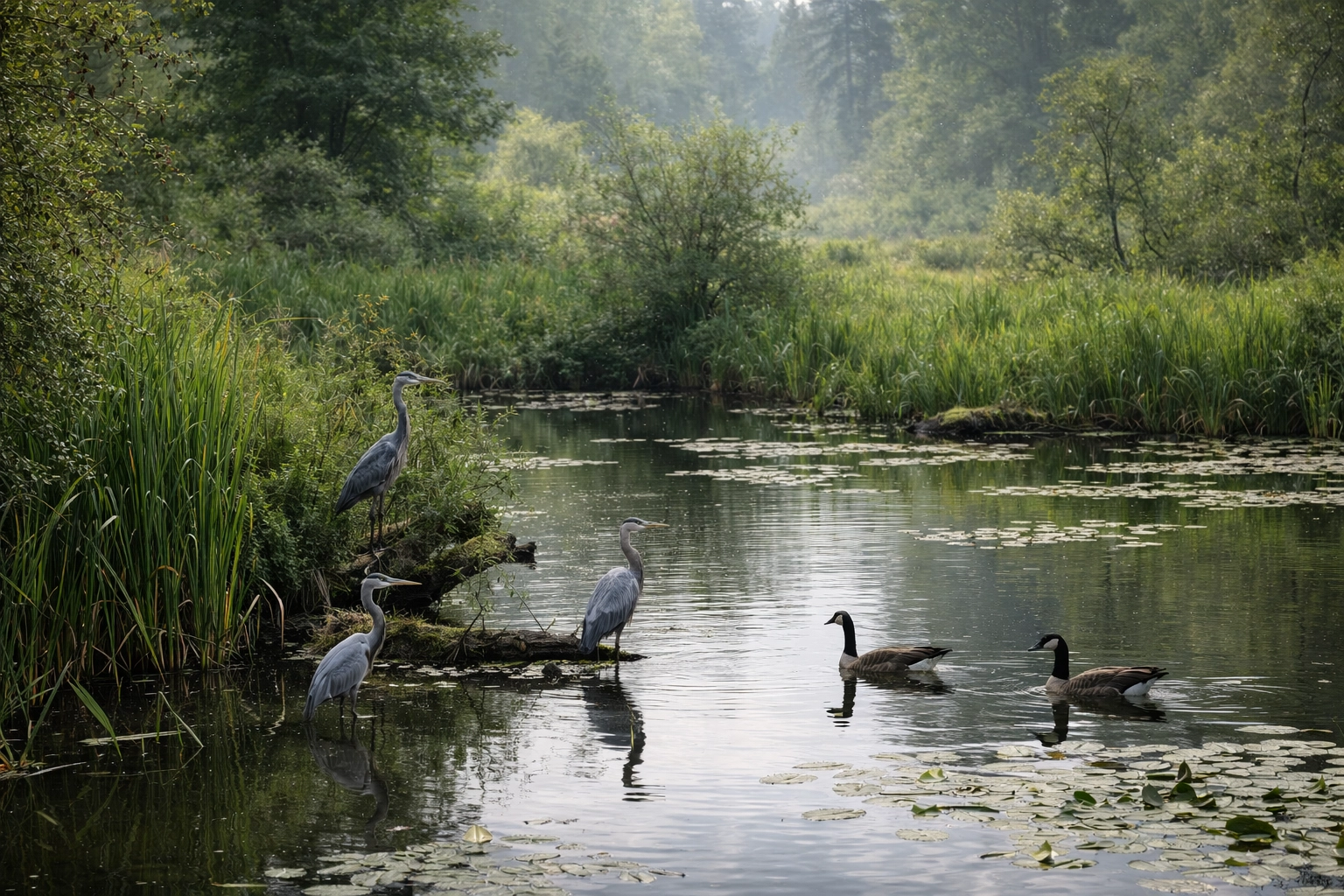
Sightings are moments of attention — instances when people working on the land pause to observe the life, movement, and changes happening around them. For Refuge Stewards, these observations are an important part of stewardship, helping build deeper relationships with place.
This page shares reflections inspired by wildlife encounters, changing landscapes, and subtle signs of ecological health observed during conservation work.
Why Observation Matters in Conservation
Careful observation is fundamental to effective land stewardship. Noticing seasonal changes, wildlife presence, plant growth, and signs of disturbance helps stewards understand how ecosystems are responding to care and use.
Observation also encourages patience and humility, reminding stewards that conservation is a long term relationship rather than a quick fix.
Wildlife Encounters
During stewardship projects, participants often encounter birds, mammals, insects, and other forms of wildlife. These sightings may be brief or distant, but they serve as reminders of why protected lands matter.
Whether it is the call of a bird, tracks along a trail, or movement in the undergrowth, these moments connect stewardship work to the broader web of life supported by healthy ecosystems.
Landscapes and Seasonal Change
Sightings are not limited to animals. Shifts in light, weather, vegetation, and water levels all tell stories about the land. Observing these changes over time helps stewards understand seasonal cycles and ecological patterns.
Refuge Stewards encourages participants to pay attention to how landscapes evolve throughout the year, from early growth to dormancy and renewal.
Learning Through Presence
Many stewardship activities involve physical work, but they also create opportunities for quiet presence. Taking time to observe supports learning and reflection, especially for those new to local ecosystems.
This practice aligns with Refuge Stewards’ emphasis on relationship based conservation, where care for land grows through attention and respect.
Community Reflections
Sightings are often shared among participants as stories or reflections. These shared observations build connection within the group and deepen collective understanding of the places being cared for.
Sharing sightings also creates space for cultural perspectives on nature, acknowledging that people relate to land and wildlife in different ways.
Stewardship and Responsibility
Observation carries responsibility. Noticing signs of stress or disturbance in an ecosystem can inform future stewardship actions and management decisions.
By paying attention, stewards become better equipped to respond thoughtfully and responsibly to the needs of the land.
Ethical Observation
Refuge Stewards promotes ethical observation practices that prioritize the well being of wildlife and ecosystems. Sightings are approached with respect, avoiding disturbance or interference.
This ethic reinforces conservation values and supports the protection of sensitive species and habitats.
Connecting People and Place
For many participants, sightings become lasting memories that strengthen personal connections to place. These moments can inspire ongoing stewardship, advocacy, and care for protected lands.
By valuing observation alongside action, Refuge Stewards fosters a holistic approach to conservation that honors both work and wonder.
Looking Ahead
The sightings shared on this page represent moments along a continuing journey of stewardship. While this site remains static, the practice of observing and learning from the land continues with each project and partnership.
Through attention, reflection, and care, Refuge Stewards supports conservation rooted in awareness and respect for the living world.